In large construction projects, time is money, and delays quickly turn into cost overruns and unhappy clients. Mobile Elevated Work Platforms (MEWPs) help contractors cut installation time by speeding up access to work at height, reducing non‑productive activities like scaffold erection and climbing, and minimizing safety incidents that cause stoppages.
What Are Mobile Elevated Work Platforms (MEWPs)?
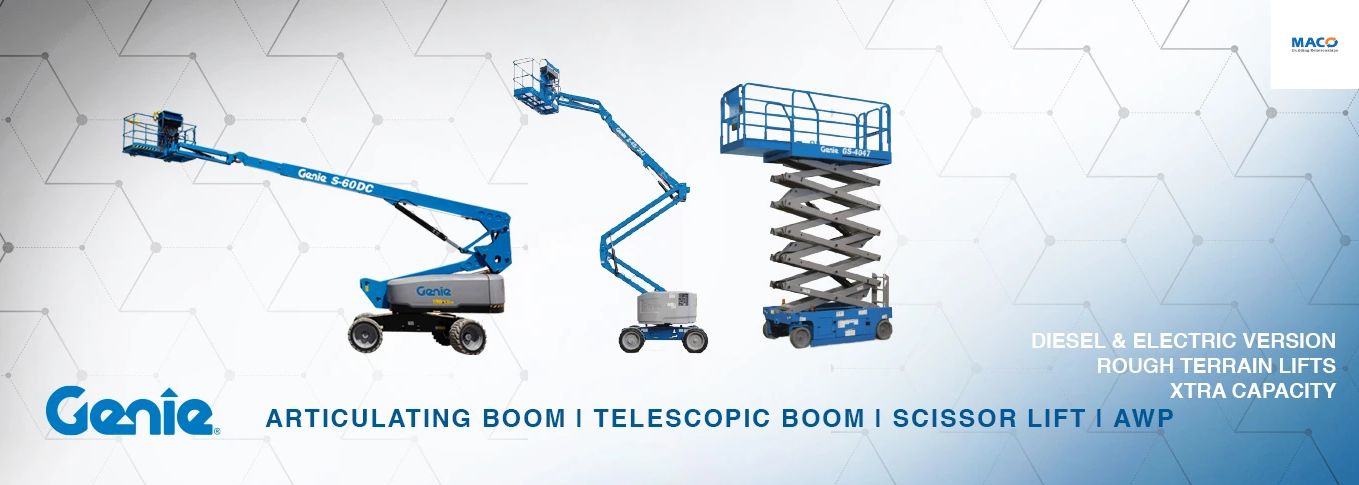
Mobile Elevated Work Platforms are powered access machines such as scissor lifts, articulating boom lifts, telescopic boom lifts, vertical mast lifts and spider lifts that raise workers, tools and materials to safe working positions at height.
They are widely used on construction sites, industrial plants, warehouses and infrastructure projects wherever frequent access at height is required.
How Do MEWPs Reduce Installation Time on Site?
MEWPs reduce installation time mainly by eliminating slow, manual access tasks and keeping crews productive for a larger portion of each shift.
In simple terms, MEWPs help construction teams:
- Reach work areas faster than scaffold‑based access.
- Move along elevations or inside buildings without rebuilding platforms.
- Travel at height with tools and materials to avoid repeated climbing.
- Lower the risk of falls and incidents that halt work.
By cutting setup, repositioning and accident‑related downtime, MEWPs often reduce the overall duration of high‑level installation packages by 20–30% compared with traditional methods, depending on project conditions.
MEWPs vs Scaffolding: Which Is Faster?
Scaffolding is inherently time‑heavy: it must be designed, transported, erected, inspected, modified as the workfront moves and finally dismantled.
On tall buildings and large industrial plants, these activities can consume days before actual installation even starts, and every shift in the workfront forces partial dismantling and rebuilding.
MEWPs replace this with rapid deployment and mobility.
Once the ground is checked and the path is clear, a self‑propelled scissor lift or boom lift can be positioned and elevated within minutes.
When a task is complete, the operator simply lowers the platform, drives to the next location and elevates again, without dismantling anything.
For projects with many small, dispersed work areas at height, this flexibility translates into significant time savings over the whole programme.
On many projects, switching repetitive high‑level tasks from scaffolding to MEWPs can compress planned durations by several days or even weeks, particularly for facade and MEP work.
How MEWPs Improve Workflow and Productivity
MEWPs don’t just speed up access—they also improve day‑to‑day workflow at height.
Faster setup and repositioning
A MEWP typically requires a site assessment, ground checks and positioning, after which the team can start work almost immediately.
In contrast, scaffold towers and temporary stair systems consume hours or days to build, move and re‑certify when the workfront shifts.
Precise access to complex geometries
Modern buildings and industrial structures often have overhangs, atriums, curved façades, recessed windows and congested pipe racks.
Articulating and telescopic boom lifts, as well as spider lifts, give precise height and outreach control so operators can position baskets exactly where work is needed, even over obstacles or under projections, reducing time spent “fighting the access.”
Continuous work at height and less idle time
Every climb up and down ladders or scaffolding adds fatigue and wastes time.
MEWPs allow crews to stay at height with tools, fasteners and small components on the platform, enabling them to complete several connected tasks—such as fixing brackets, installing panels and sealing joints—in one lift cycle with fewer interruptions.
Higher productivity per crew
Because access is simpler and physical strain is lower, the same crew often completes more work per shift using MEWPs than with traditional access.
Trained operators position platforms efficiently, anticipate the next move and avoid time‑wasting corrections or unsafe manoeuvres, which further accelerates progress.
Time Savings in Different Project Types
High‑rise facade and cladding
For high‑rise residential and commercial buildings, cladding and façade systems are often on the critical path.
If the project relies on static scaffolding, design changes or late material deliveries can cause serious delays because the access system is rigid and slow to adapt.
Using boom lifts, super‑MEWPs or a combination of boom and scissor lifts allows façade teams to follow revised sequencing with far more agility.
Instead of rebuilding scaffolds, machines are simply moved to new priority areas, reducing “dead time” where materials are ready but access is not and potentially shaving weeks off the facade schedule on large towers.
Industrial plants, warehouses and logistics hubs
Industrial and logistics projects involve large open interiors with high roofs and long aisles where access is needed for steel connections, crane rails, fire‑fighting lines, cable trays, lighting and racking systems.
Electric scissor lifts and vertical mast lifts excel in slab‑on‑grade warehouses because they move quickly along aisles, work quietly around other trades and deliver installers directly to specific points.
By minimizing the time needed to travel between bays and levels, MEWPs help MEP and fit‑out contractors compress installation phases and reach handover milestones faster.
Infrastructure, bridges and highways
Bridge, flyover and highway projects often restrict work at height to night‑time or short lane‑closure windows.
Traditional scaffold access can be too slow to assemble and dismantle within these tight slots, reducing productive working time.
Truck‑mounted and self‑propelled boom lifts can be driven into position quickly, elevated over barriers or under decks and then moved along the structure as tasks progress.
When the closure window ends, machines are lowered and removed rapidly, allowing traffic to resume and helping contractors stay on schedule under strict traffic and safety constraints.
How Safety and Training Help Protect Project Timelines
Safer access means fewer delays
Every serious incident at height can trigger stoppages, investigations and re‑planning that disrupt programmes more than most technical issues.
MEWPs are designed with guardrails, anti‑slip platforms, emergency descent systems and stable working positions, which significantly reduce fall risk compared to ladders or improvised platforms when used correctly.
Fewer incidents mean fewer unplanned shutdowns, insurance complications and days lost to injured workers being off‑site, so critical activities stay in sequence.
Why MEWP training speeds up work
Training is not only a safety requirement but also a productivity driver.
Certified operators learn how to select the right machine, position it optimally, avoid hazards that could damage equipment and work smoothly with installers in the basket.
This competence leads to quicker setup, fewer mistakes and less downtime due to misuse or breakdowns, while a more confident crew maintains a steadier working pace through each shift.
Quantifying Time and Cost Benefits
Exact savings depend on building type, layout, trade mix and site constraints, but the mechanism is consistent across projects.
By cutting time spent assembling access, climbing, repositioning and managing incidents, MEWPs increase the proportion of each shift devoted to real installation work.
For example, if a façade package planned for 10 working days on scaffolding reduces non‑productive time by 20–30% using MEWPs, the same scope could be finished in around 7–8 days without increasing crew size.
Across a full project with multiple high‑level work packages, these gains compound into meaningful reductions in programme duration, labour cost and overheads, while allowing earlier commissioning and revenue generation.
Choosing the Right MEWP for Your Project
Not all MEWPs are suitable for every task, and the wrong choice can waste time rather than save it.
- Scissor lifts are ideal for vertical access where work is directly above the base, such as slab‑on‑grade warehouse installations.
- Articulating and telescopic boom lifts are better for reaching over obstacles and working on building exteriors or complex geometries.
- Spider lifts and super‑high booms are useful for very tall or difficult‑to‑reach structures, especially where floor loading or access routes are restricted.
Planners should match working height, horizontal outreach, platform capacity, terrain capability and power source (electric or diesel) to the specific installation tasks and site conditions.
A well‑chosen MEWP fleet reduces repositioning, avoids under‑reaching or getting stuck and keeps crews working safely where they need to be.
Best Practices to Maximize Time Savings with MEWPs
MEWPs deliver the greatest time savings when they are integrated into construction planning rather than treated as last‑minute rentals.
To get maximum benefit:
- Plan access strategy alongside construction sequencing so MEWPs follow the critical path wherever work at height appears.
- Ensure routine maintenance and inspections so machines are reliable, with minimal breakdown‑related downtime.
- Provide formal MEWP training and refreshers for operators and supervisors to sustain safe, efficient operation.
- Coordinate between trades so multiple high‑level tasks are bundled into the same access window, reducing repeated repositioning.
When MEWPs are selected correctly, maintained properly and used by trained crews, they consistently shorten installation phases on large construction projects while protecting both workers and schedules.
Need MEWPs for Your Next Project?
If you are planning a high‑rise, industrial plant, warehouse or highway project, choosing the right mix of scissor lifts and boom lifts can materially reduce your installation time at height.
A specialist MEWP partner can help you match machine types and capacities to your project’s height, outreach, terrain and programme requirements so you get the best balance of productivity, safety and cost.
Maco Corporation India Pvt. Ltd. is a reliable MEWP dealer and rental partner in India, supporting contractors with suitable scissor lifts, boom lifts and other mobile elevated work platforms for short‑term and long‑term projects.
You can consult Maco Corporation India Pvt. Ltd. to select the right MEWPs for your site and to arrange rentals aligned with your construction schedule and budget.
FAQs
- Are MEWPs really faster than scaffolding for large projects?
Yes, MEWPs are usually faster because they cut out scaffold erection, modification and dismantling and can move quickly between workpoints at height, especially on projects with many small, dispersed tasks.
- How much installation time can MEWPs save on a typical project?
Depending on scope and site conditions, MEWPs can reduce non‑productive access time by roughly 20–30%, which often translates into several days or weeks saved on facade and MEP packages.
- Which MEWP type is best for warehouse installations?
Electric scissor lifts and vertical mast lifts are commonly preferred in warehouses because they run cleanly on finished slabs, fit into aisles and provide efficient vertical access for lighting, racking and services.
- Are MEWPs safe enough for critical path activities?
When specified correctly, inspected regularly and operated by trained personnel, MEWPs offer guardrails, stable platforms and emergency systems that make them safer than ladders or makeshift platforms for critical path work.
- When should I choose a boom lift instead of a scissor lift?
Choose a boom lift when you need to reach over obstacles, work on building exteriors or access recessed or offset positions and choose a scissor lift when work is mostly vertical directly above the machine on level ground.